

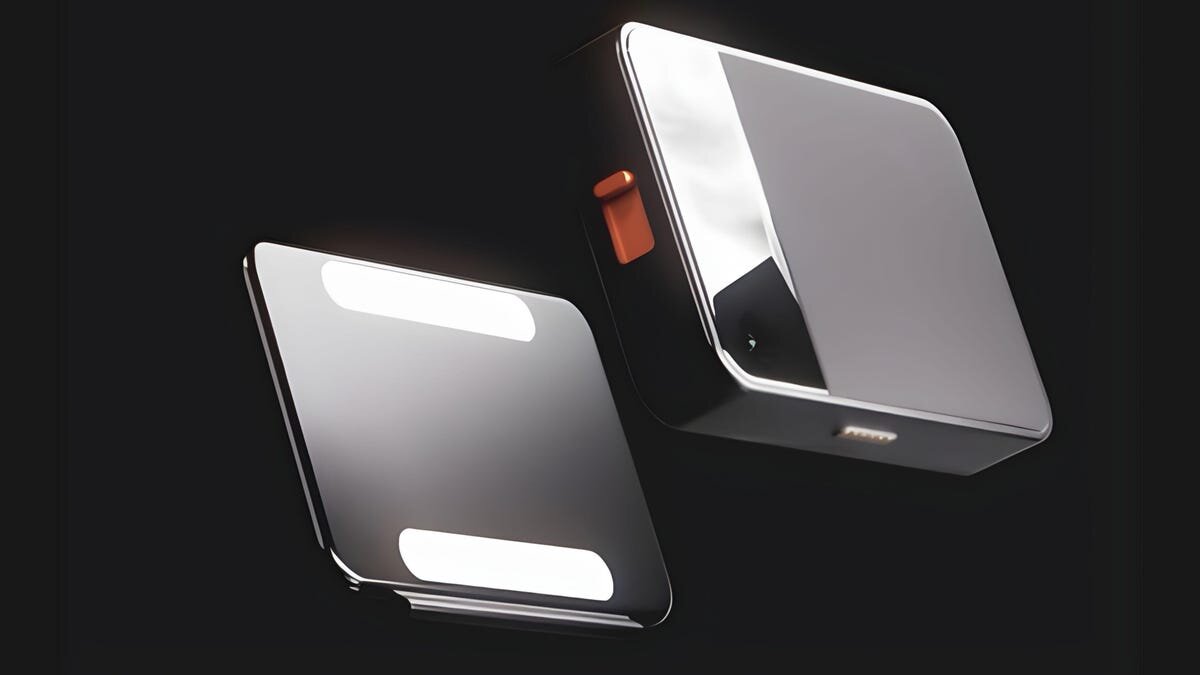
As CES 2026 unfolds, the buzz surrounding AI wearables is intensifying, with one standout announcement capturing attention: Memories.ai’s Project LUCI. Known as Long Understanding Contextual Intelligence, this innovative project aims to redefine the landscape of AI wearables by prioritizing real-world practicality and user-friendly interaction.
Launched as a developer preview at CES, Project LUCI builds on the prior LUCI Pin concept that Memories.ai showcased last year. Unlike its consumer-centric predecessor, Project LUCI is a streamlined reference design, crafted for developers keen to revolutionize smart wearables. Memories.ai co-founder and CEO Shawn Shen explained, “After observing several prominent AI wearables fail, we identified a maturity gap in the market. Thus, we transitioned LUCI from a consumer gadget to a foundational system design.”
Central to Project LUCI is its cutting-edge Large Visual Memory Model (LVMM), a breakthrough that enables AI devices to comprehend and retain memories like humans. This component distinguishes LUCI from other AI wearables, which have historically struggled with memory retention, hindering their ability to provide useful, contextually relevant interactions. Shen elaborated, “LUCI surpasses other devices by understanding life visually, contextually, and continuously. It transforms daily interactions into meaningful highlights, offering genuine utility from the get-go.”
The LVMM 2.0 upgrades the device, allowing continuous video to be efficiently processed into structured, on-device encoding, enhancing instant search and recall capabilities. Developers now have the flexibility to adjust critical parameters such as battery life, latency, and privacy settings to optimize user experience.
A key component of Project LUCI’s offering is its sleek, efficient hardware: the LUCI Pin. Maintaining its minimalist design from last year, the pin features a wide-angle camera with a 109-degree field of view, complemented by a privacy switch. Weighing under 45 grams, it supports continuous recording for two to three hours, bringing a hands-free, intuitive solution to users.
Security and privacy are paramount concerns in wearable tech, especially with constant data collection. Memories.ai addresses these apprehensions by collaborating with prominent cloud providers to implement robust security measures, including encryption and strict access controls. Shen noted that a partnership with Qualcomm is in the works to offer a more secure, fully on-device processing experience, thereby enhancing user privacy.
By aligning with prominent wearable corporations like Rokid, Sharge, and RayNeo, Memories.ai is working to embed their revolutionary technology into next-gen devices, echoing a strategy similar to Google’s Nexus. This move not only showcases Project LUCI’s capabilities but also propels the AI wearable ecosystem forward, heralding a new era of intelligent, context-aware personal technology.
As CES continues, Project LUCI stands out not just as a device, but a vision of what AI wearables can become—part of an integrated system that transforms how we interact with the world around us.